The future of web filtering in the era of SSE: towards convergence between cloud and trusted technologies
Since the end of COVID, the digital transformation of businesses has accelerated under the influence of remote working, the widespread adoption of the cloud, and the proliferation of SaaS applications. Faced with this change, traditional perimeter security has shown its limitations, paving the way for new approaches such as SSE (Security Service Edge). However, in this ultra-connected and internationalized context, not to mention the current geopolitical situation, the issue of digital sovereignty is becoming more crucial than ever. So how can the promises of SSE be reconciled with the imperatives of sovereignty? And what role can sovereign web filtering still play in the future? Let's take a closer look.
Understanding ESS: a response to new practices
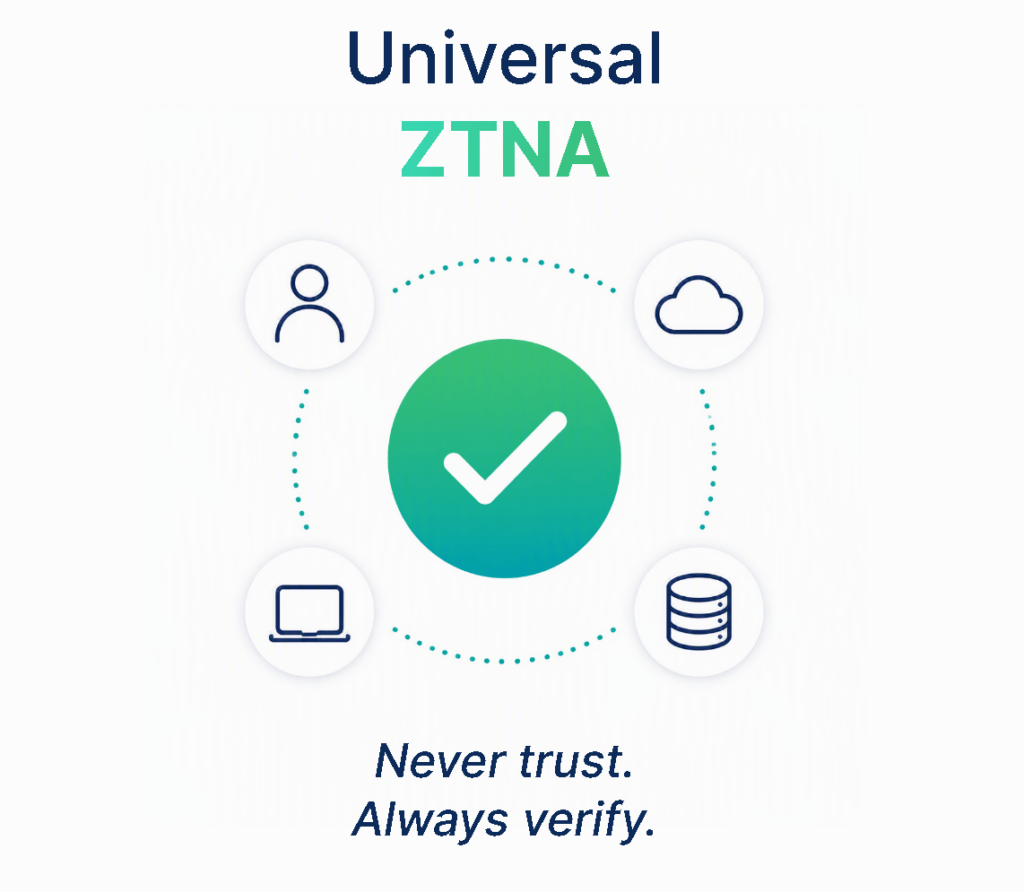
SSE combines several essential components of modern cybersecurity: Secure Web Gateway (SWG), which performs filtering among other tasks, Cloud Access Security Broker (CASB), Zero Trust Network Access (ZTNA), and Data Loss Prevention (DLP). Together, these technologies secure access to cloud resources, wherever users are located, while ensuring usage control and data protection.
In other words, SSE proposes to move security closer to the applications used by employees, which are often hosted in the cloud. The goal is clear: to offer seamless security, adapted to hybrid and mobile work environments, without users having to systematically return to the corporate network via a VPN.
Web filtering and ESS: the promise of "all cloud"?
Many of the SSE solutions on the market are offered by American or Asian companies, which are often highly efficient from a technical standpoint, but raise a major strategic question: where are European companies' sensitive data transmitted and stored? Logs, connection logs, access policies, detected incidents: all this information circulates in cloud infrastructures that are often not subject to European legislation.
In this context, companies subject to strict regulatory requirements (public sector, healthcare, defense, critical industries) or simply concerned with protecting their digital assets must be extra vigilant. The promise of 100% cloud-based, fast, and effective web filtering may clash with the reality of extraterritorial laws, such as the US Cloud Act, which allows US authorities to demand access to data, even if it is hosted outside the United States, as long as it is operated by companies governed by US law.
It is therefore essential to rethink the role of web filtering in the era of SSE, not as a simple technical module, but as a strategic building block of sovereignty.
Digital sovereignty: a key strategic issue
Beyond purely technical aspects, digital sovereignty is now a real lever for competitiveness and resilience for organizations. In a world where cyberattacks are on the rise and geopolitical tensions can directly impact digital infrastructure, securing data and controlling data flows is becoming a strategic priority.
When European companies entrust their web filtering to solutions operated by non-sovereign actors, they expose themselves to risks that are often underestimated. Their employees' browsing data, critical application access logs, and security logs may be transferred and stored in jurisdictions subject to extraterritorial laws. This means that at any time, this strategic data can be accessed by foreign authorities, without the organization necessarily being informed or having any right of oversight.
Beyond confidentiality, it is the very continuity of digital services that may be jeopardized. Imagine that a diplomatic conflict, economic sanction, or court ruling leads to the temporary or permanent suspension of a key web filtering or security service. How can user and data protection be ensured in such a context? These scenarios, once theoretical, have become tangible realities in an increasingly unstable and interconnected world.
Faced with these threats, choosing a sovereign solution such as Olfeo, which is controlled and operated within Europe, becomes a truly strategic move to preserve the integrity, confidentiality, and availability of digital infrastructures.
By maintaining complete control over web filtering, localizing data in Europe, and retaining exclusively French expertise, Olfeo offers organizations a reassuring and reliable alternative in the face of these uncertainties.
Interoperability with cybersecurity solutions
Olfeo and other sovereign players must ensure that their solutions integrate seamlessly into heterogeneous cyber environments. This requires open interfaces, standardized connectors, and strong technological partnerships with other cybersecurity components.
For more than 20 years, Olfeo has championed a sovereign vision of web filtering, focused on the needs of European organizations. This unique expertise now enables Olfeo to play a pivotal role in ESS strategies.
By integrating Olfeo into their cybersecurity architecture, companies benefit from:
- Stronger control over their filtering and compliance policies.
- From a URL base adapted to their local realities and business lines.
- Complete control over their data, without exposure to extraterritorial legislation.
- Capable of meeting new French and European regulatory requirements.
Rather than giving in to the temptation of an "all-cloud" solution operated by non-European giants, Olfeo offers an alternative approach that combines innovation, security, and sovereignty, while also being the only player to offer an on-premise solution.
Conclusion
In this context, sovereign web filtering should no longer be seen as a simple technical tool, but as a strategic pillar of modern cybersecurity. With the rise of SSE architectures and the globalization of digital exchanges, protecting data flows, data, and users is becoming a matter of independence and sustainability.
At Olfeo, we firmly believe that the future of web filtering lies in this requirement for sovereignty, which is fully aligned with European values of privacy, transparency, and sustainable security. The time for compromise is over; now is the time for informed choices to build resilient and autonomous digital infrastructures.
At a time when the issue of digital sovereignty is becoming a major geopolitical challenge, there is an urgent need to rethink our security architectures so that they are efficient, scalable, and respectful of European values. At Olfeo, this mission is already underway.