Maslow's pyramid applied to cybersecurity: A hierarchical approach to tool deployment
When discussing IT security, it is essential to consider the strategic deployment of cybersecurity tools.
Imagine: you are starting out as a CIO or CISO in a company and you are starting from scratch in terms of the security infrastructure in place. Where do you begin? How do you decide which solutions to adopt first, and how do you prioritize needs? Cybercriminals enter through many doors (windows and chimneys). Which ones should you lock first?
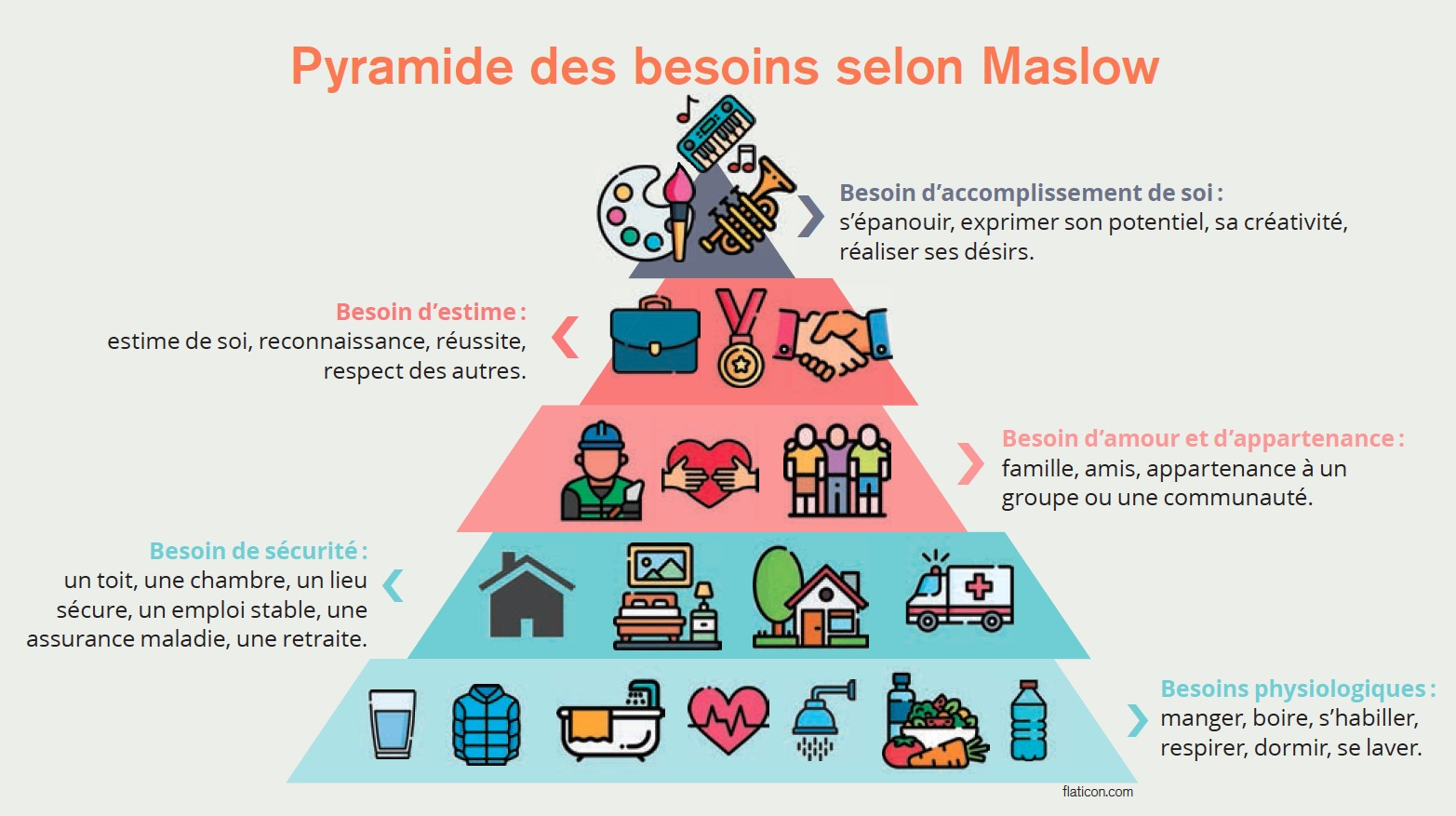
An interesting analogy can be drawn with Maslow's pyramid, the famous hierarchy of human needs. Just as Maslow ranks these needs in order of importance, a similar hierarchy can be applied to cybersecurity tools.
Please note: this article is intended as a basis for discussion and is based on our various exchanges with our clients and our expertise in cybersecurity. There are, of course, many ways to approach and even conceptualize this pyramid. Best practice also involves considering the specific characteristics of different professions and adapting your cybersecurity strategy accordingly.
Level 1: Basic Needs — Basic Protection
At the base of Maslow's pyramid are physiological needs: those necessary for survival, such as air, water, and food. In cybersecurity, these needs correspond to the basic protections that are essential for any organization. Without these elements, the system is vulnerable to attacks of all kinds. These protections include:
- Firewalls: These form the first line of defense against intrusions. They control and filter incoming and outgoing network traffic, preventing unauthorized access. This is probably the first building block to put in place when constructing your corporate network security.
- Antivirus and antimalware: These protect systems from malicious software that can compromise data and network performance. It should be noted that EDRs are increasingly replacing antivirus software, but are more complex to deploy and operate. To start with something "simple," antivirus software is recommended.
- Filtering and/or web security gateways: employees will inevitably use the internet, which will often be their primary tool. Securing and controlling access to websites must be a priority in order to avoid exposure to phishing, malware, illegal content, legal risks, etc.
- Backup and recovery: Ensure that data is protected and recoverable in the event of a disaster or attack. In the unfortunate event of a successful cyberattack, backups enable you to resume operations quickly and limit the financial impact.
These tools should be the top priority for any organization, as they form the foundation of IT security to protect a corporate network and ensure recovery in the event of a cyber incident.
Level 2: Security needs — Access control
Maslow's second level is the need for safety and security. In cybersecurity, this involves implementing access controls to ensure that only authorized individuals can access critical resources. Tools at this level may include:
- Identity and access management (IAM): Allows you to define who can access what. IAM limits risks by granting only the necessary permissions. It is a complementary development to securing directories such as Active Directory (or EntraID).
- Multi-factor authentication (MFA): An additional security measure to verify user identity.
- Device controls: Allow you to restrict access to physical devices, such as USB drives or external hard drives, that could carry threats.
- Incident response plan: This is not related to access control, but now is a good time to put processes in place—automated or otherwise—to manage incidents and resume operations after an attack. Define the steps for managing an incident, limiting the impact on the organization.
These solutions address a more advanced need for protection by adding a layer of security based on access, control, and incident management.
Level 3: Belonging and connection needs — Network visibility
At this level, Maslow places the needs for belonging and connection. In the field of cybersecurity, this corresponds to visibility into what is happening on the network, enabling the detection of anomalies and response to incidents.
- Endpoint monitoring (EDR): Enables real-time monitoring of activity on workstations and servers, detecting abnormal behavior.
- Intrusion detection systems (IDS), intrusion prevention systems (IPS), and their next-generation evolution, NDRs:They analyze network traffic and inspect the packets that pass through it to detect unusual or suspicious activity.
- Security Information and Event Management (SIEM): These systems collect and analyze information to identify potential threats.
- XDR and SOC, similar to SIEM but more specialized, provide a comprehensive view of all incidents across all company equipment and enable them to be resolved.
These tools, often cloud-based, provide a better understanding of the environment, creating a sense of "connection" by providing an overview of network activities. Their implementation requires a slightly more advanced level of cyber maturity and more specialized teams. Where appropriate, MSSPs can take charge of the deployment and operation of these systems.
Level 4: Esteem needs — Human awareness and data protection
In Maslow's pyramid, esteem refers to recognition and self-confidence. In cybersecurity, this involves implementing data management mechanisms and raising human awareness to prevent or limit the impact of errors.
- Cyber risk awareness and training tools: most successful attacks are due to human error. As cybersecurity is a technical subject that employees may not necessarily be familiar with, it is essential to implement cyber risk awareness programs and phishing test programs.
- Shadow IT: With the rise of SaaS applications, many employees can use them, often without the authorization of IT teams, potentially creating security risks. Shadow IT detection tools, such as CASB (Cloud Access Security Broker), enable IT teams to gain visibility into their use and implement governance programs and access policies.
- Protection against data loss: Data sharing is an integral part of modern working methods. Particularly with the rise of ChatGPT-type LLMs, it is important to ensure that confidential data is not shared or made public. DLP (Data Loss Protection) tools can detect the dissemination of sensitive data and even identify data leaks.
These solutions strengthen the organization's confidence in its ability to deal with the risks of misuse of work tools by employees.
Level 5: Self-fulfillment — Proactive cybersecurity and innovation
At the top of Maslow's pyramid is self-actualization: the desire to flourish, innovate, and continuously improve. In cybersecurity, this means going beyond defense and focusing on proactive prevention and continuous improvement.
- Threat Intelligence: Enhances organizational security by providing information on new threats and vulnerabilities, enabling anticipation and preparation.
- Security Automation and Orchestration (SOAR): Automate repetitive tasks and connect different tools for a faster response.
- Continuous vulnerability assessment: Enables continuous detection of potential vulnerabilities and evaluation of the effectiveness of existing security measures.
- Pentests: involve calling on experts who take on the role of attackers to test the robustness of defense systems.
These solutions enable an organization to grow and innovate in its security practices, moving from a reactive posture to a proactive approach.
Conclusion
Adopting a cybersecurity approach inspired by Maslow's pyramid allows companies to prioritize their investments and deploy tools gradually and strategically. By starting with the foundations—such as firewalls and antivirus software—and gradually moving up to more sophisticated solutions, organizations can build a resilient and adaptable security infrastructure. Cybersecurity is not an end in itself but a process of continuous evolution, and this hierarchical approach can greatly facilitate the establishment of a solid framework that is ready to face tomorrow's threats.